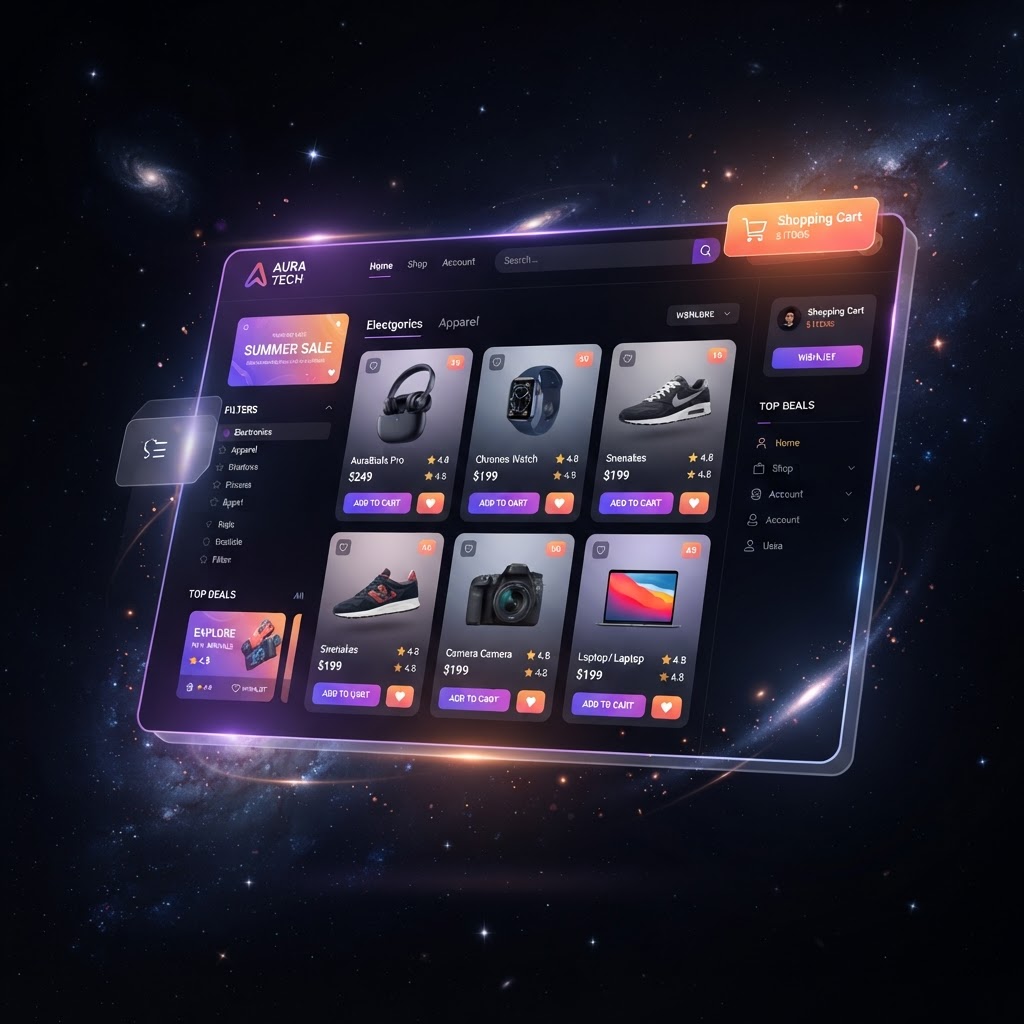
Why Shopify Dominates DTC E-commerce
Shopify powers over 4 million online stores and commands 10% of the global e-commerce platform market. Its combination of ease of use, app ecosystem, and reliable infrastructure makes it the default choice for direct-to-consumer (DTC) brands.
But building a Shopify store is easy — building a successful Shopify brand requires strategy. This guide covers the essential steps from theme selection to checkout optimization.
Choosing and Customizing Your Theme
Your theme is your digital storefront. Shopify offers free and paid themes. Free themes (Dawn, Sense, Refresh) are excellent starting points. Paid themes ($150-$400) offer more customization and built-in features.
Prioritize mobile-first design (70%+ of traffic), fast load times, and clean product displays. Avoid cluttered layouts — let your products shine. Customize colors, typography, and imagery to reflect your brand identity.
Product Page Optimization
Product pages are where conversions happen. Essential elements:
- High-quality product photography (5+ images, including lifestyle and detail shots)
- Compelling, benefit-driven product descriptions (not just features)
- Clear pricing with any discounts prominently displayed
- Trust signals: reviews, guarantees, return policy, shipping info
- Prominent, sticky add-to-cart button
- Product variants (size, color) with visual swatches
- Urgency elements: low-stock warnings, limited-time offers (used honestly)
Checkout Optimization
Shopify's checkout is already optimized, but you can improve it further. Enable Shopify Pay and Apple Pay for one-click checkout — these can increase conversion rates by 20%+. Offer multiple payment methods (credit card, PayPal, Klarna, Google Pay).
Minimize form fields, enable guest checkout (forced account creation reduces conversions by 20-30%), and display trust badges and security icons. Show shipping costs early — surprise costs at checkout are the #1 reason for cart abandonment.
Essential Shopify Apps
The Shopify App Store has thousands of apps, but you only need a few to start:
- Klaviyo: email marketing and automation (the gold standard for Shopify)
- Loox or Yotpo: product reviews and photo reviews
- ReConvert: post-purchase upsells and thank-you page optimization
- Judge.me: product reviews (budget-friendly alternative)
- SMSBump: SMS marketing and cart abandonment texts
- Privy: popups, email capture, and exit-intent offers
- Searchly or Algolia: improved on-site search for larger catalogs
Building Brand Identity
A brand is more than a logo — it's the feeling customers have when they interact with your store. Define your brand voice, visual identity, and values. Create a consistent experience across your store, emails, social media, and packaging.
Invest in custom packaging, thank-you notes, and unboxing experiences. These create memorable moments that drive repeat purchases and word-of-mouth — the most powerful marketing channel.
Measuring and Iterating
Track key metrics: conversion rate (aim for 2%+), average order value, customer acquisition cost, and customer lifetime value. Use Shopify's built-in analytics and Google Analytics 4 for deeper insights.
Continuously A/B test your product pages, email flows, and ad campaigns. Small improvements compound — a 0.5% increase in conversion rate can mean thousands in additional revenue at scale.